This is the third Military Medal I have found to a recipient with my family surname. In this case it’s 26871 Private W. Birchall. William served in the 2nd Batallion, 5th South Lancashire Regiment in France.
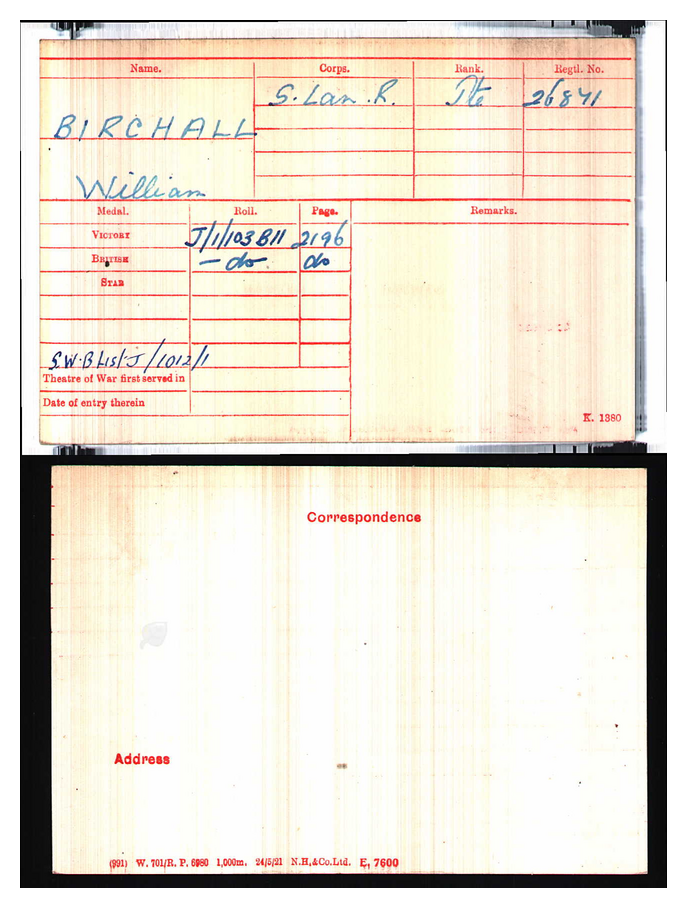
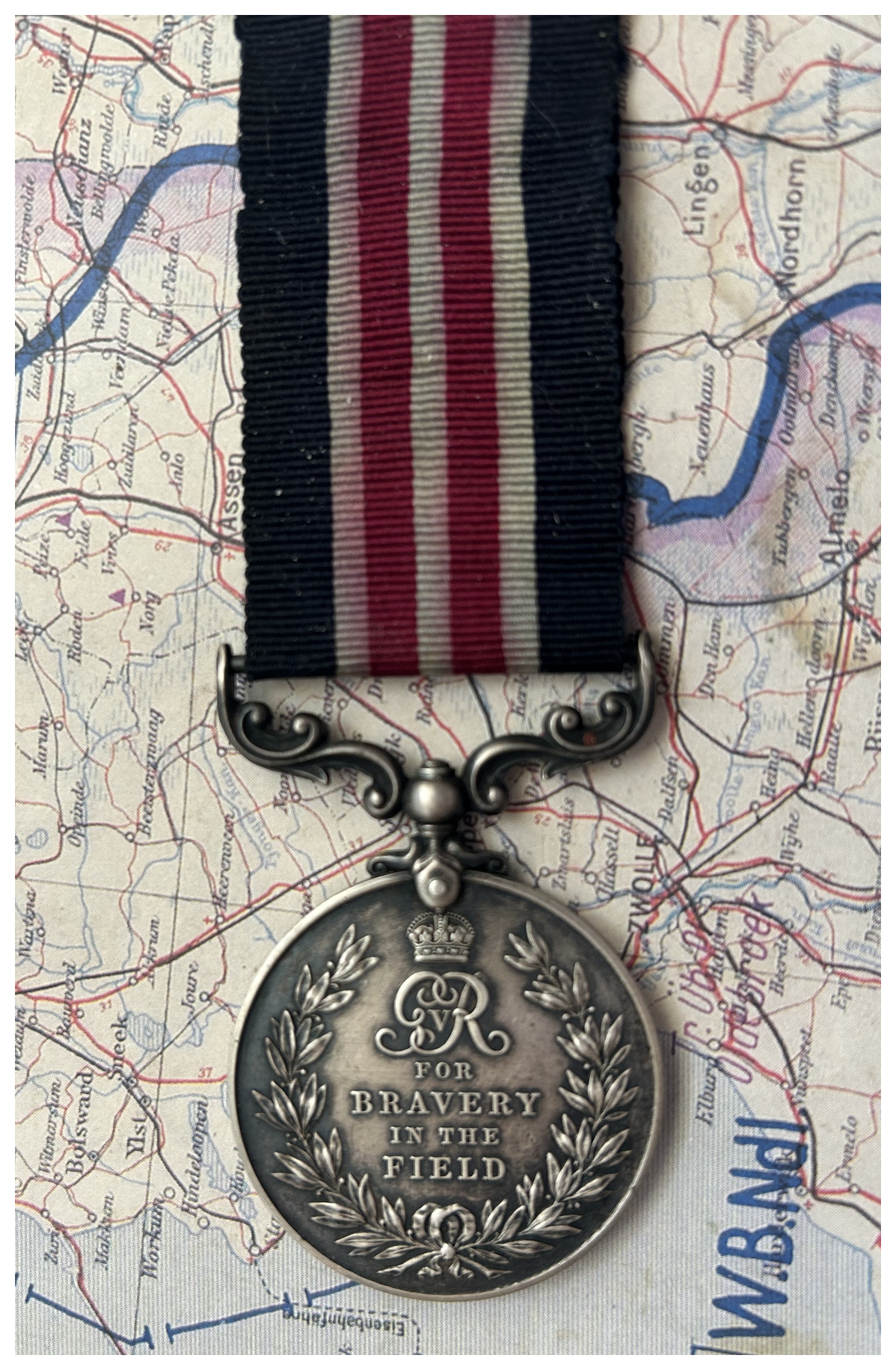
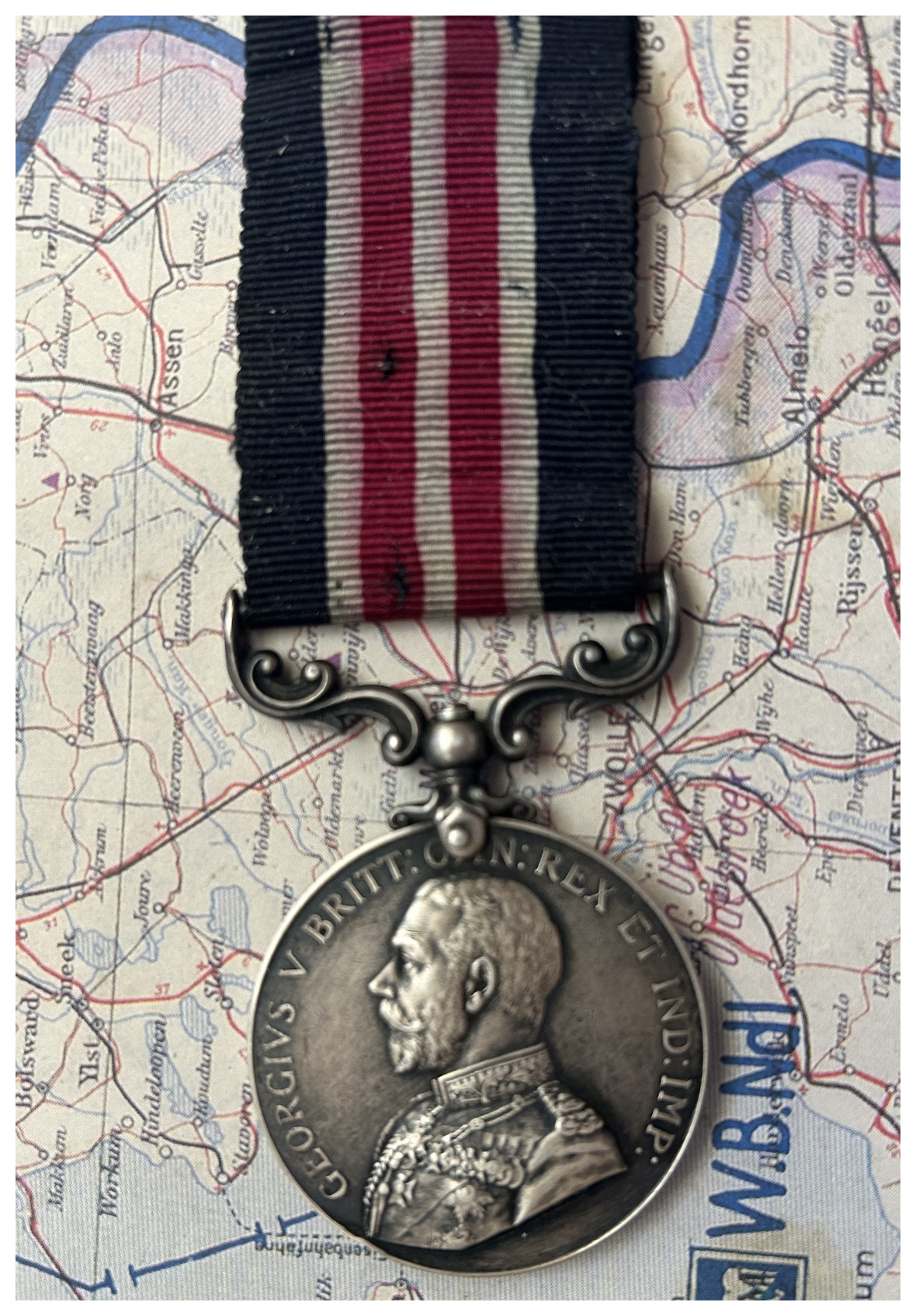
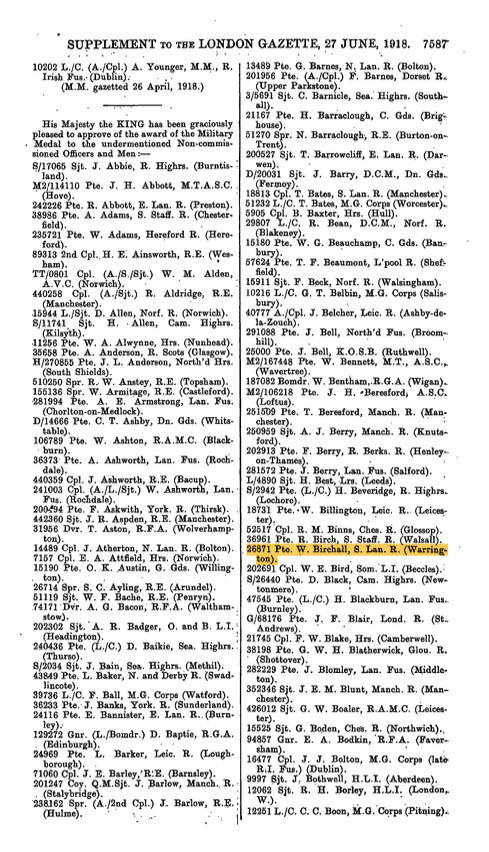
This is the third Military Medal I have found to a recipient with my family surname. In this case it’s 26871 Private W. Birchall. William served in the 2nd Batallion, 5th South Lancashire Regiment in France.
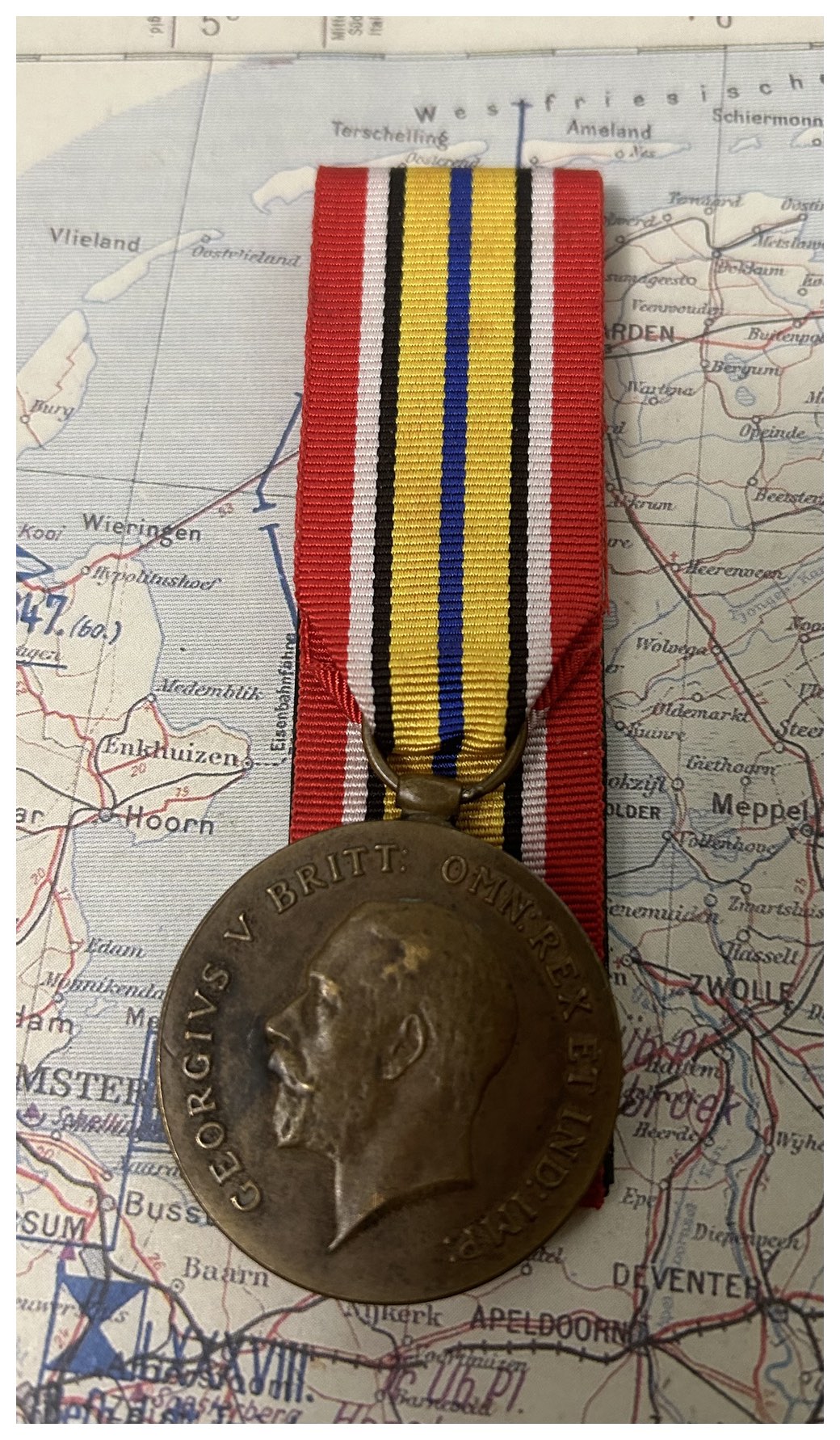
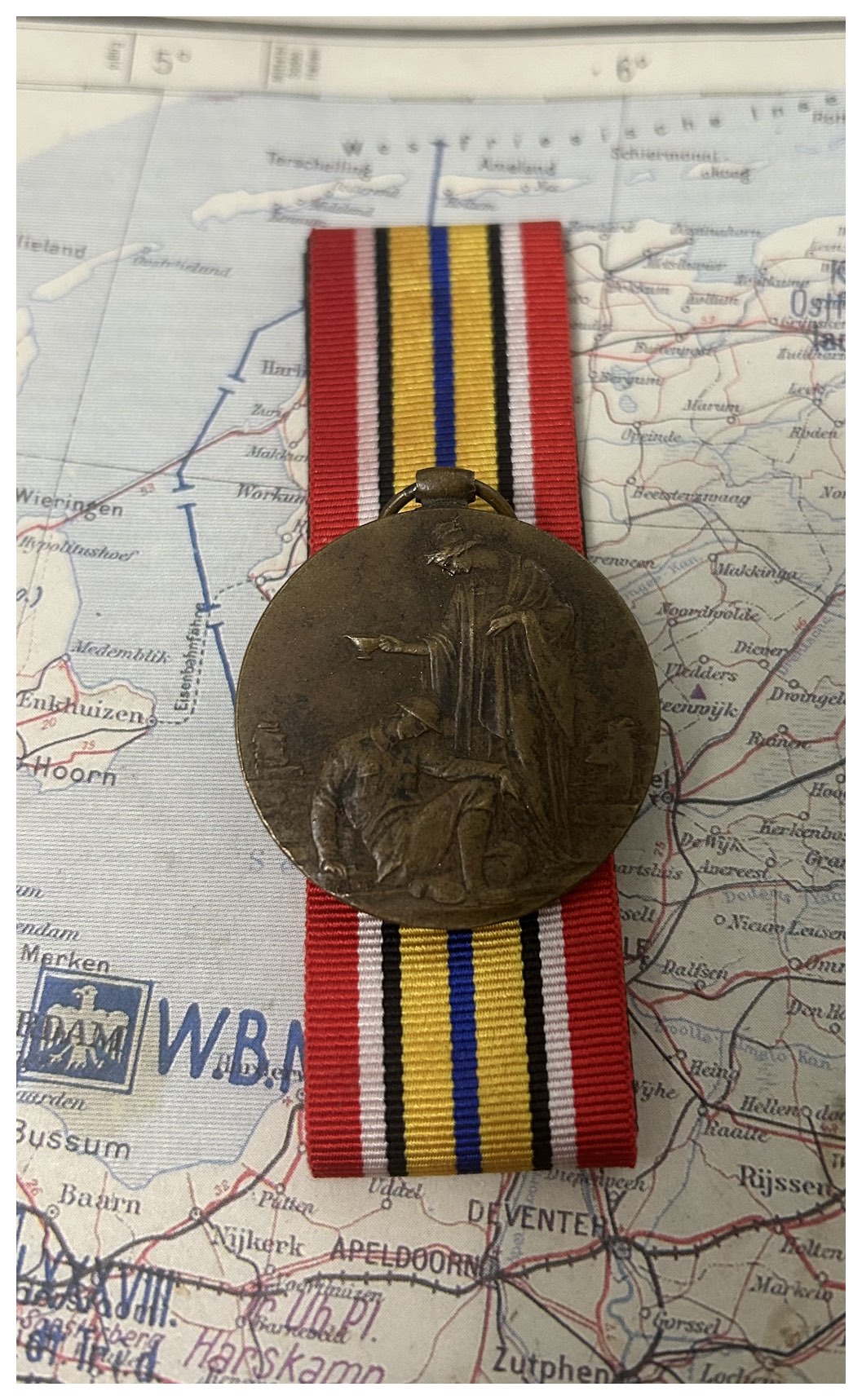
This is a rare medal and hard to find. The Allied Subjects’ Medal was a British decoration, distributed by the Foreign Office, to citizens of allied and neutral countries who gave assistance to British and Commonwealth soldiers, mainly escaped prisoners of war, behind enemy lines between 1914–1918.
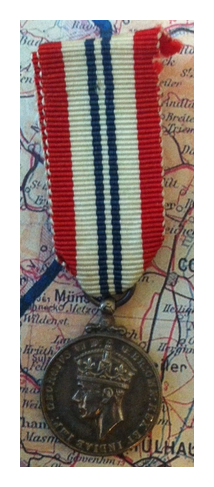
In WW2 this medal was replaced by the Kings Medal for Courage in the Cause of Freedom
 Another Ethiopian medal, this one a bronze trilobe medal with wreath and ribbon ring suspension; the face with a traditional Ethiopian portrait of Emperor Haile Selassie I wearing the Ethiopian Crown and circumscribed with the Amharic inscription in Ge’ez ‘Haile Selassie the First’; the reverse with crossed batons supporting a Trinity star circumscribed with an Amharic inscription in Ge’ez, on original ribbon mounted for wear with a clip with maker’s mark ‘MAPPIN & WEBB LD’ with one bronze palm bars denoting a second award of the medal. The medal was created to reward those engaged in military action against the invading and occupying Italian forces in the years 1935 to 1941 and was awarded both for acts of bravery in the face of the enemy and for long and distinguished service.


This medal is part of my small accumulation of WW2 Ethiopian medals. The Military Medal of Merit of the Order of St. George is a bronze trilobe medal with Trinity star and ribbon ring suspension; the face with an image of St. George on horseback slaying the dragon below the Amharic inscription ‘Hayal Kokebe Kibr’ (luminious star of victory); the reverse with a Trinity star with three crossed spears imposed above the date ‘1923’; three small edge knocks to the reverse, lower left, lower right and right; on original ribbon. The medal was instituted in 1923 and was the highest military decoration of Imperial Ethiopia, awarded rarely for acts of great bravery and outstanding military leadership in times of conflict.


Here’s a great group coming from my never-ending search for medals impressed to my surname. In this case its a WW1 Military Medal group combined with a WW2 service medal group, named to J.E.Birchall 91004, The Kings (Liverpool) Regt.
It came with a little certificate from his commanding General commending his “…skilful use of his Lewis Gun section during operations against Evillers and Mory Copse on the 23rd and 24th of August 1918”.
The village of Evillers was completely destroyed during this offensive. John Eric Birchall later served in WW2, as evidenced by his Defence Medal and War Medal. This service was as a Lieutenant in the Home Guard. Given his age, it was probably his MM that got him that rank.


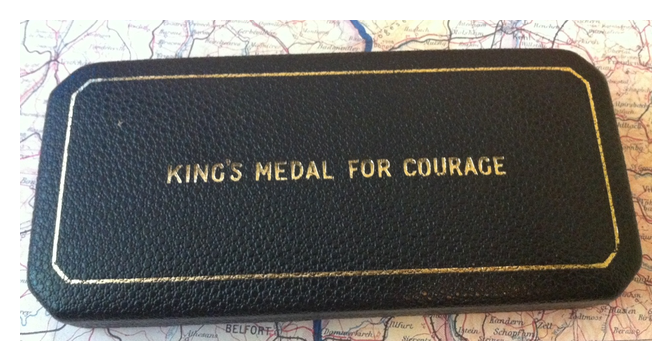
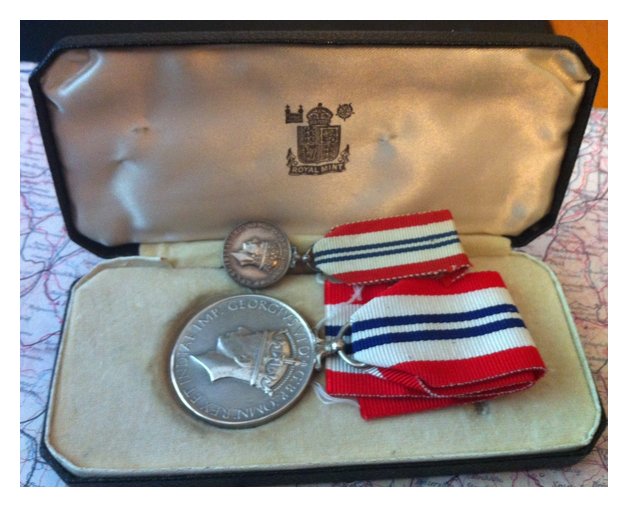
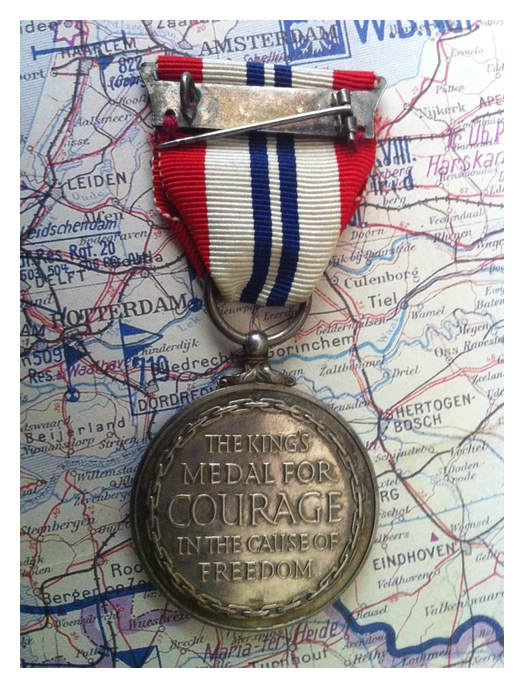
The Kings Medal for Courage in the Cause of Freedom. This medal was issued to foreigners who put themselves in harms way assisting the Allied cause. Examples would be helping run one of the escape and evasion networks getting Allied airmen out of Occupied Europe. Approximately 3200 of these medals were awarded from 1947. I have two of them, the other one here has its case.
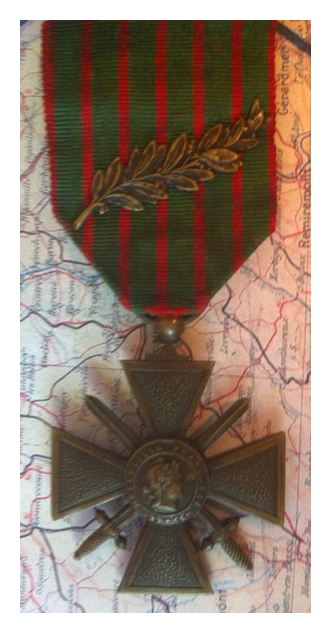
 The Croix de guerre 1914–1918 (War Cross 1914–1918) is a French military decoration. It was created to recognize French and allied soldiers who were cited for their service during World War I, similar to the British Mentioned in Despatches. The bronze palm on this one indicates the recipient was mentioned at Army level.

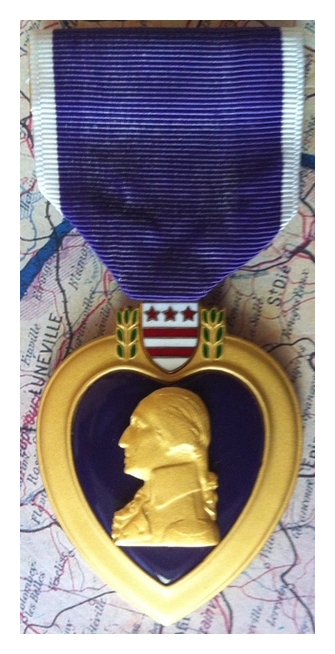
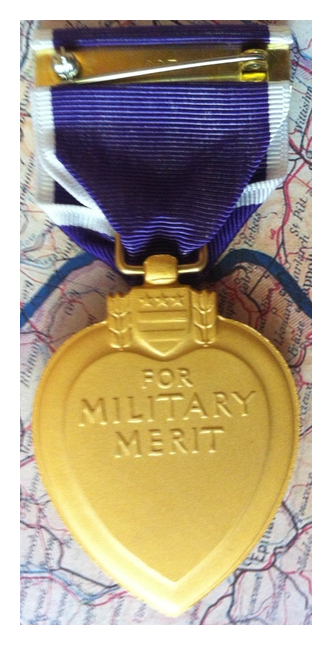
 The Purple Heart is a United States military decoration awarded in the name of the President to those who have been wounded or killed while serving on or after April 5, 1917 with the U.S. military. With its forerunner, the Badge of Military Merit, which took the form of a heart made of purple cloth, the Purple Heart is the oldest military award that is still given to members of the U.S. military, the only earlier award being the obsolete Fidelity Medallion.
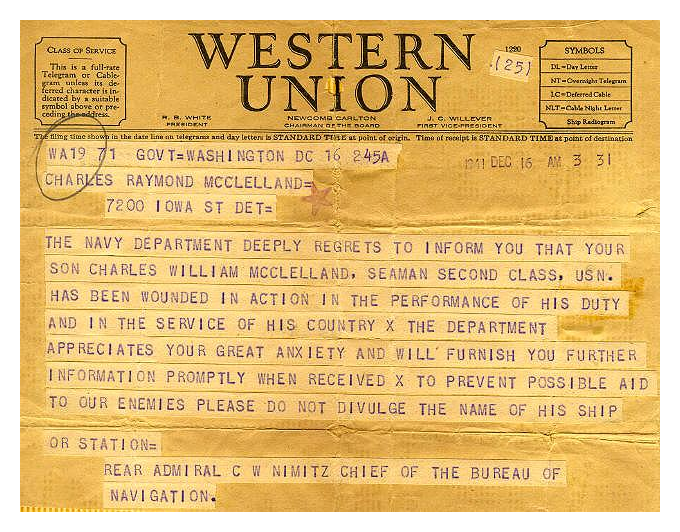
 This is a mid-1950’s issue Order of the Red Star from the Soviet Union. It is inscribed 3283313 and has the Moscow Mint mark.
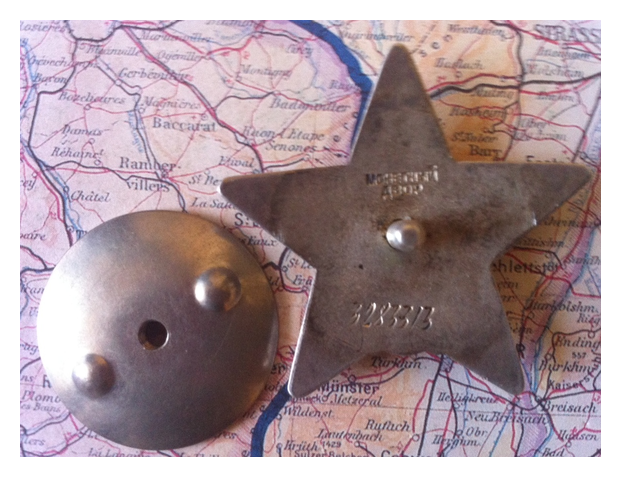
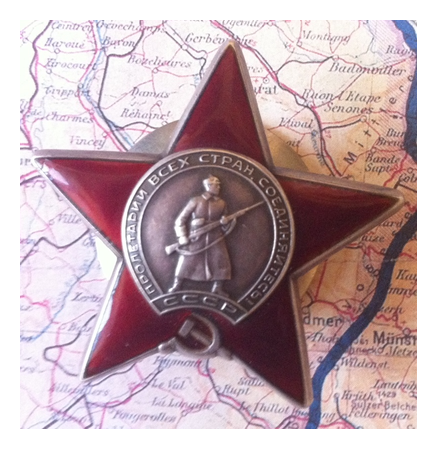
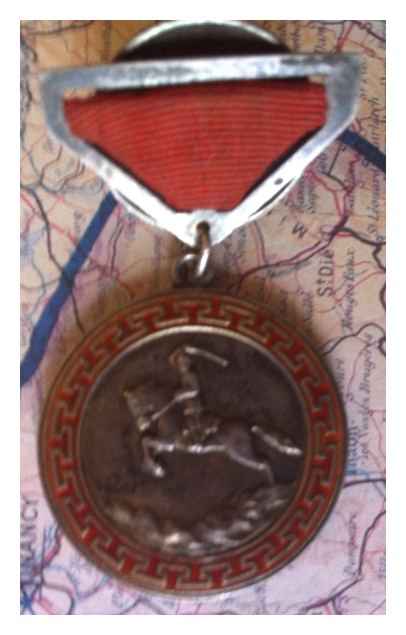
 This Mongolian Medal was created in 1941. It was awarded several thousand times. This one has the number 2017 engraved on the rear.
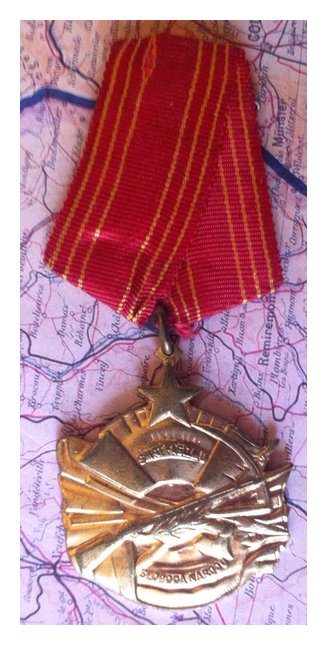
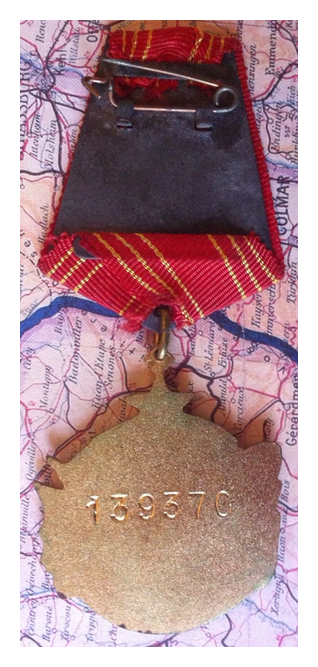
 This Yugoslavian medal was created in August 1943. The words mean “Freedom to the People!, Death to Fascism”. Awesome. Some 120,636 of these were awarded apparently although this one is numbered 139370.
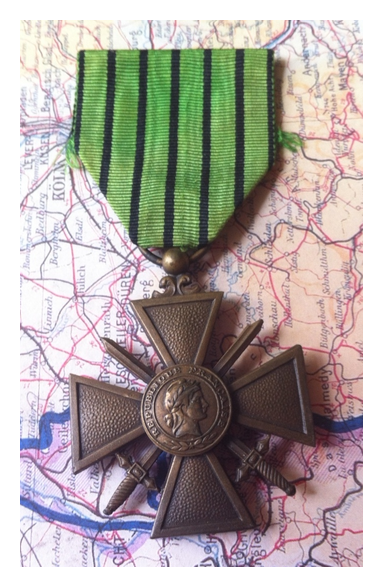
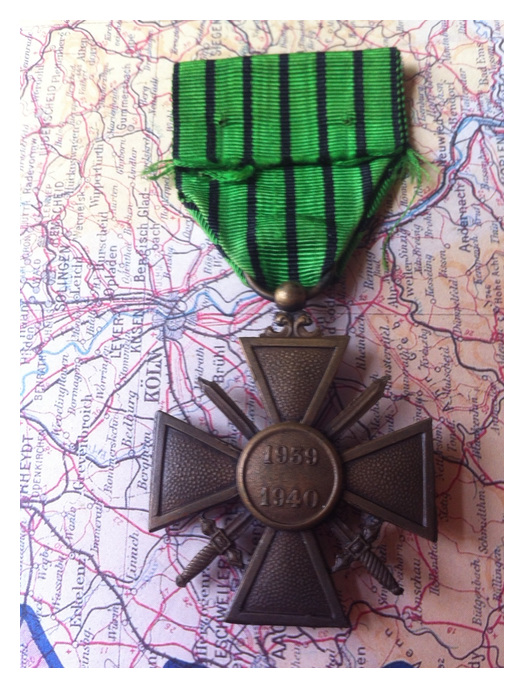
This is the War Cross issued by France prior to it’s defeat by Germany in 1940.
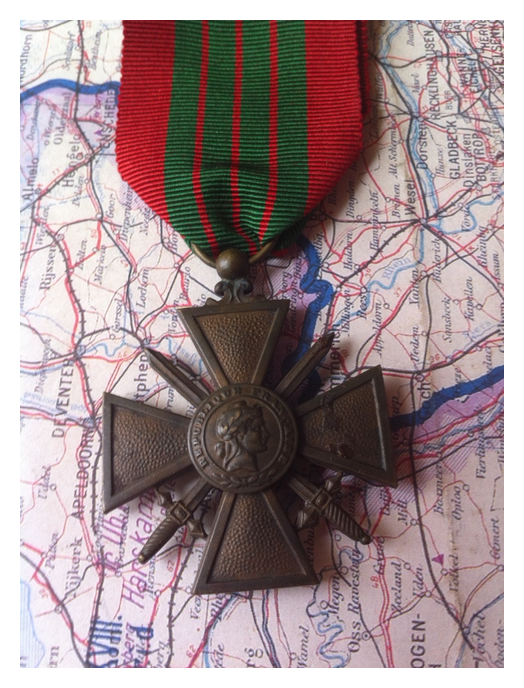
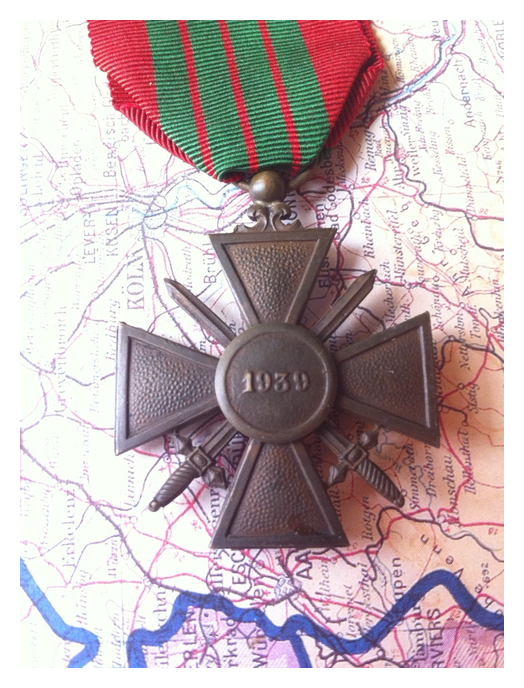
This is the War Cross for 1939-1940 from the Vichy Government of France.
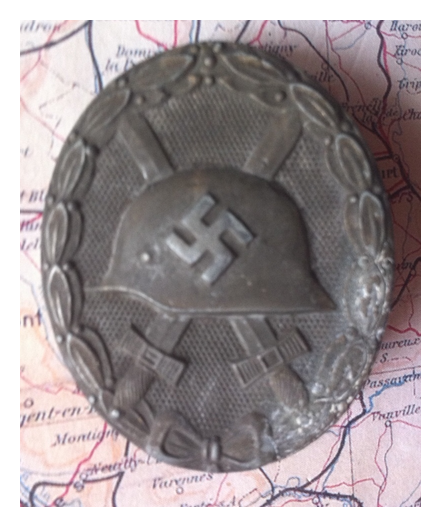
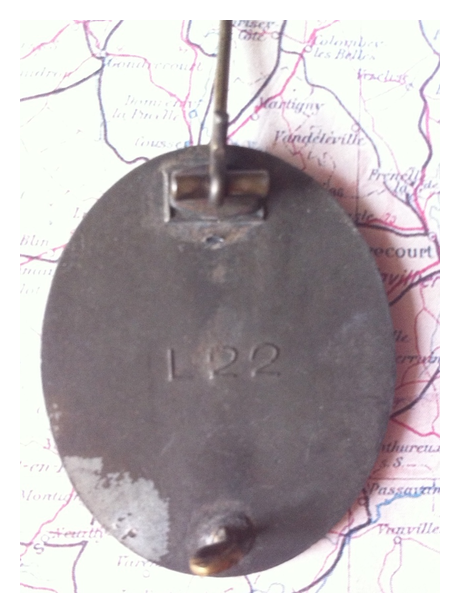
 This Wound Badge in Silver is marked L22 for Glaser & Söhne of Dresden.

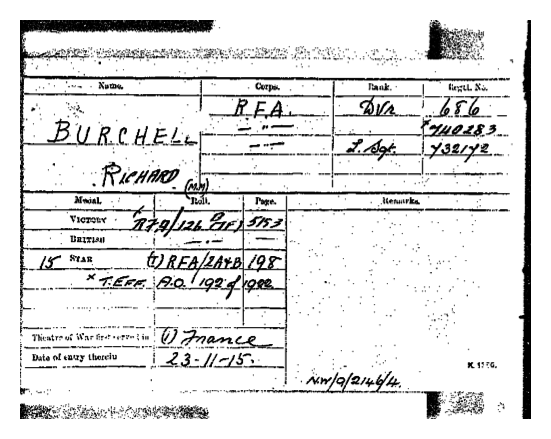
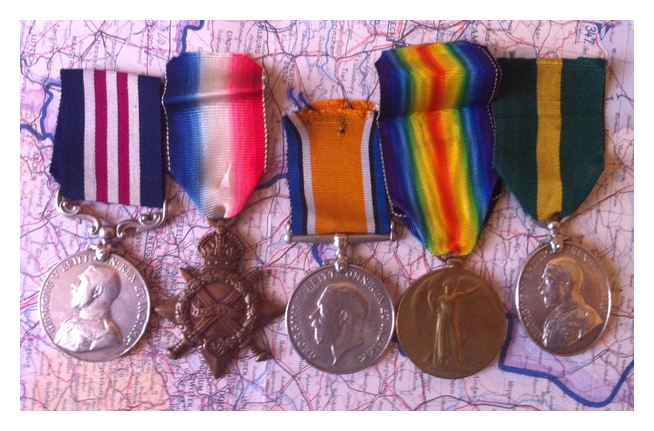
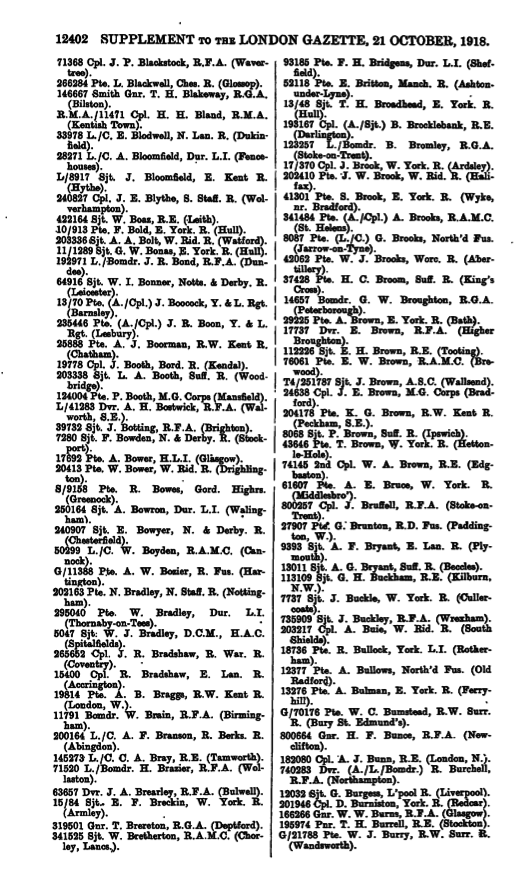
This Military Medal was awarded to Richard Burchell R.F.A. service number 686, gazetted 21st October 1918. He was a driver in the Royal Field Artillery. The rank on the Military Medal is Acting Lance Bombadier while on his medal card it shows it as the obsolete rank of Lance Sergeant. He was awarded the Military Medal for actions including driving shells up to the guns while under direct fire from German artillery. According to his records he was reduced in rank in May 1917 after being AWOL for 3 days. Court martialled and sentenced to Field Punishment Number 2 and ordered to forfeit a weeks pay. Apparently after being wounded at Beaumont Hamel he was evacuated to a base hospital and returned to the line on October 5th 1916. He was lucky not to forfeit the Military Medal. His Territorial Service Medal shows his movement to the Royal Artillery and his peacetime rank of driver.


This medal is identical to my other British cupro-nickel War Medals with the exception of the mentioned in dispatches device which is affixed correctly to the ribbon. The nickel medals were issued to British and other Commonwealth troops with the exception of the Canadians who received a silver one.


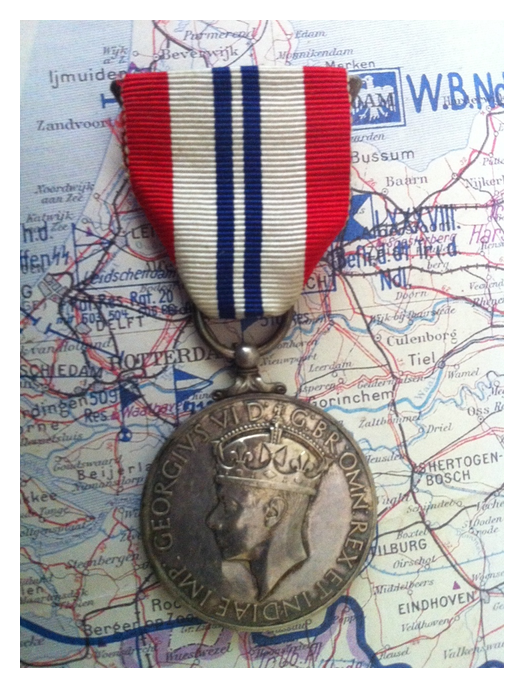
The King’s medal was issued in two versions: The King’s Medal for Courage in the Cause of Freedom and the King’s Medal for Service in the Cause of Freedom. Both medals were silver and 36 millimetres in diameter.
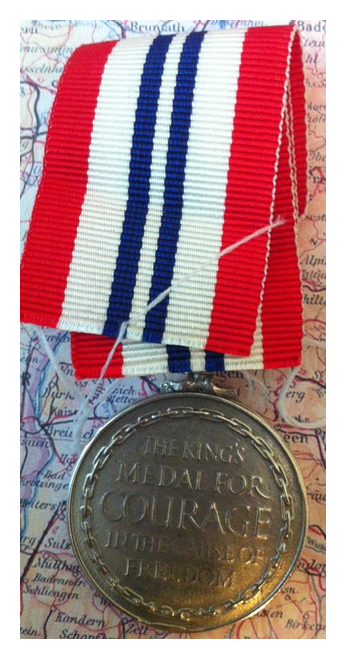
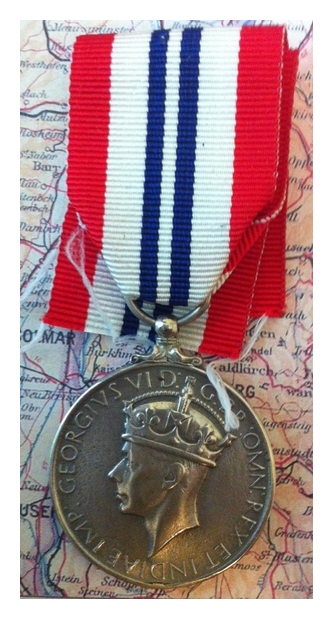
The King’s Medal for Courage in the Cause of Freedom was introduced on 23 August 1945, to mark the acts of courage by foreign civilians in the furtherance of the British Commonwealth in the Allied cause. It was primarily intended to reward those foreign civilians who had assisted British escapees in enemy occupied territory. The medal’s obverse has the crowned profile of King George VI, with the text “The King’s Medal for Courage in the Cause of Freedom” on the reverse. The medal’s ribbon was white with two narrow blue stripes in the centre and two broad red stripes at the ribbon’s edges.
There are a number of fakes of this medal in circulation, all cast from the same original. Look for an edge bruise at 5:30 on the medal and avoid if you see it.
My example came with some Free French membership badges which were numbered, offering me an opportunity to research and discover the recipient. Excellent.