
This common medal was awarded for service during the First Sino-Japanese War in 1931-34. Its companion medal may be seen here 1937-1945 China Incident Campaign Medal
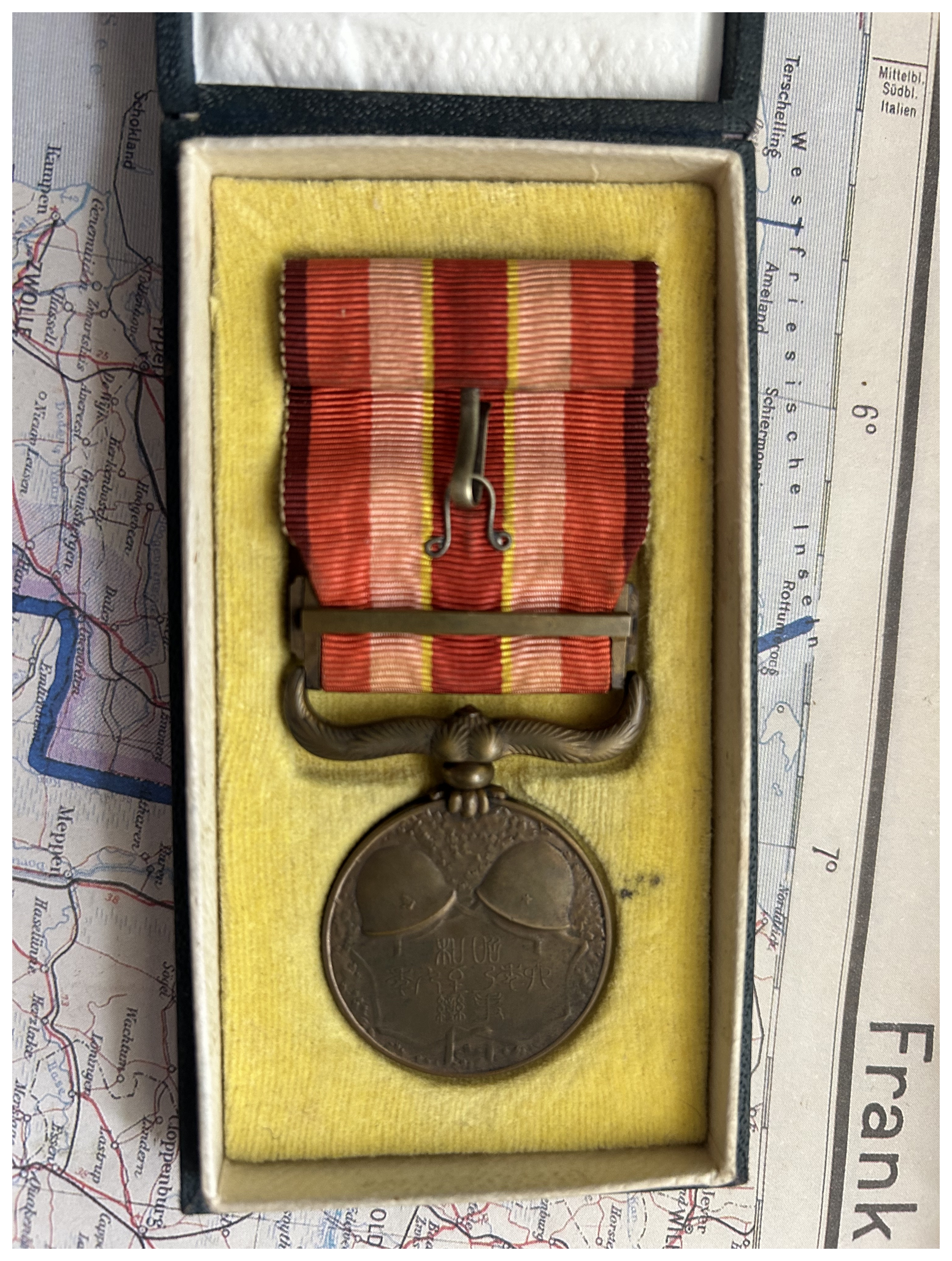
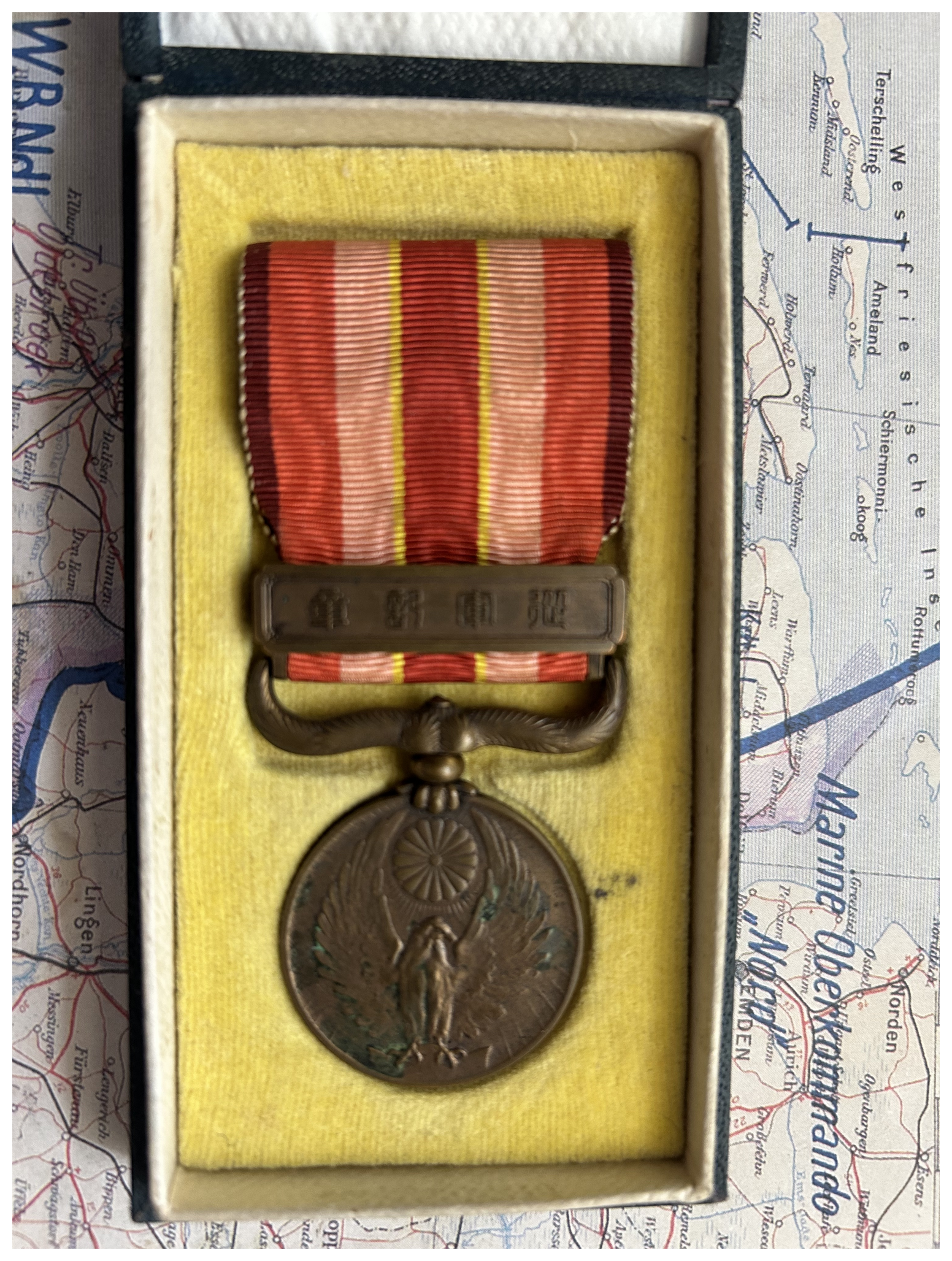
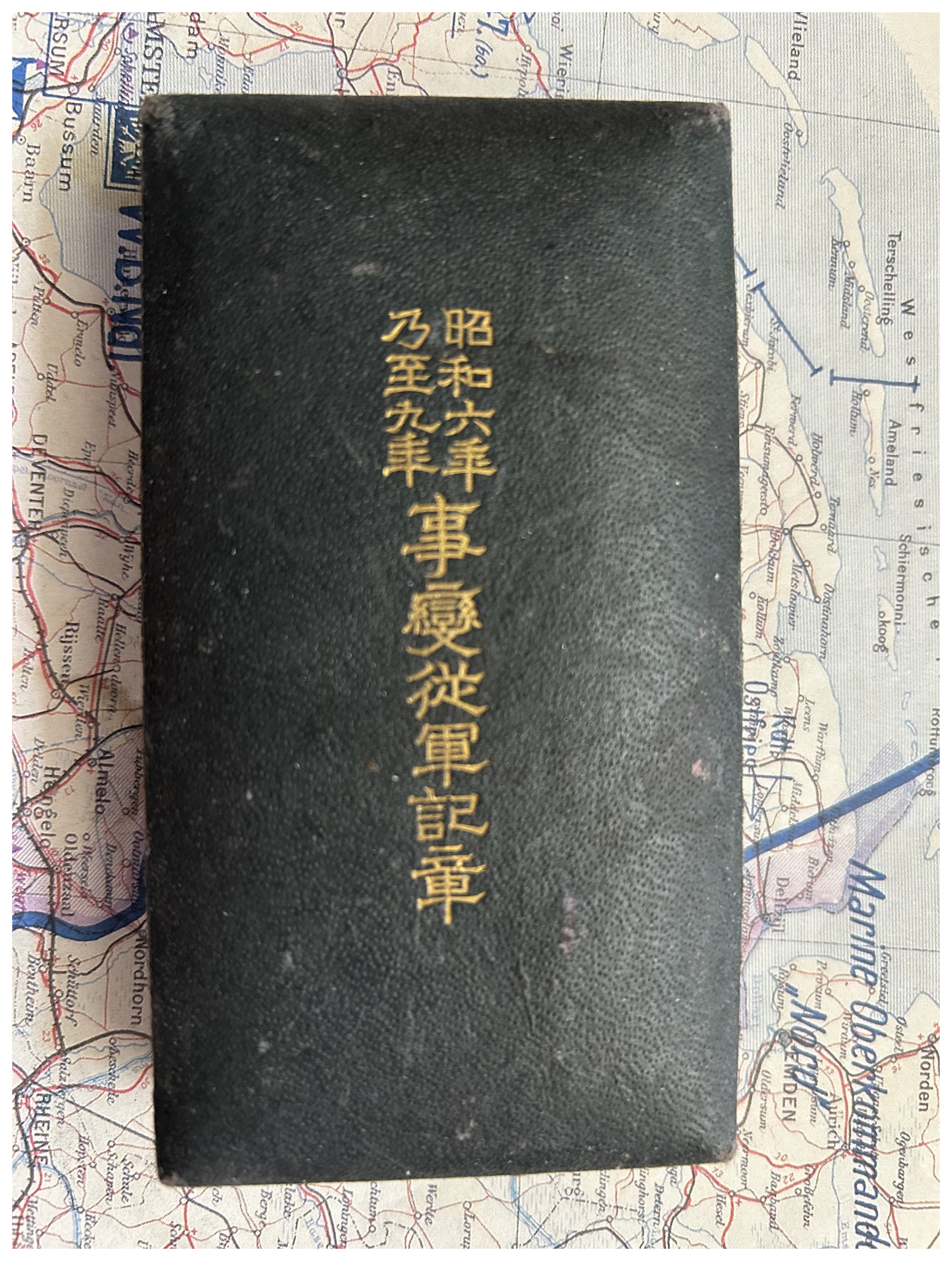
This common medal was awarded for service during the First Sino-Japanese War in 1931-34. Its companion medal may be seen here 1937-1945 China Incident Campaign Medal

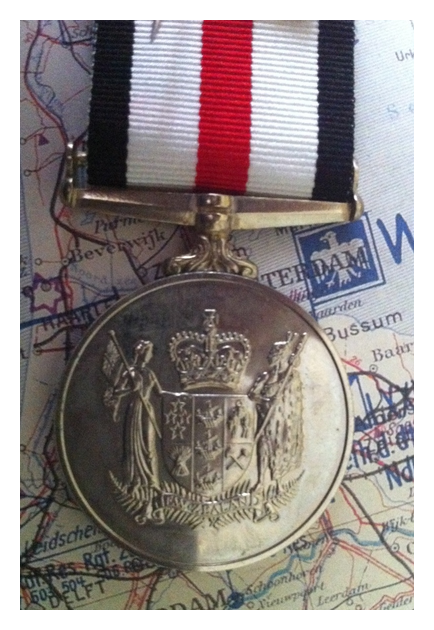
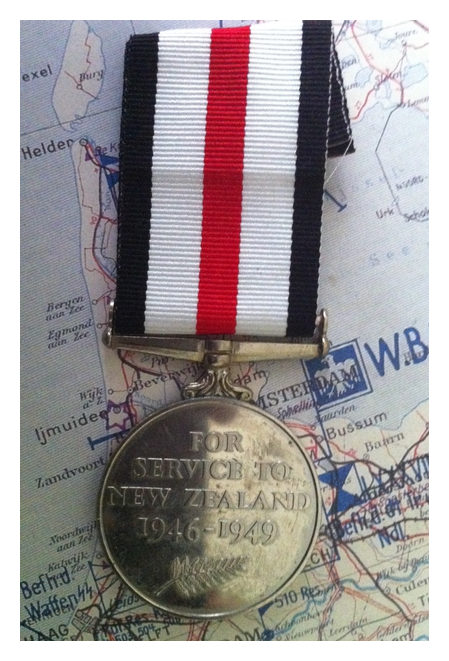
This medal is specifically awarded to New Zealanders for service in post-war Japan. It was principally introduced to recognise personnel serving with the British Commonwealth Occupation Force in Japan and so is sometimes referred to as the J Force medal.

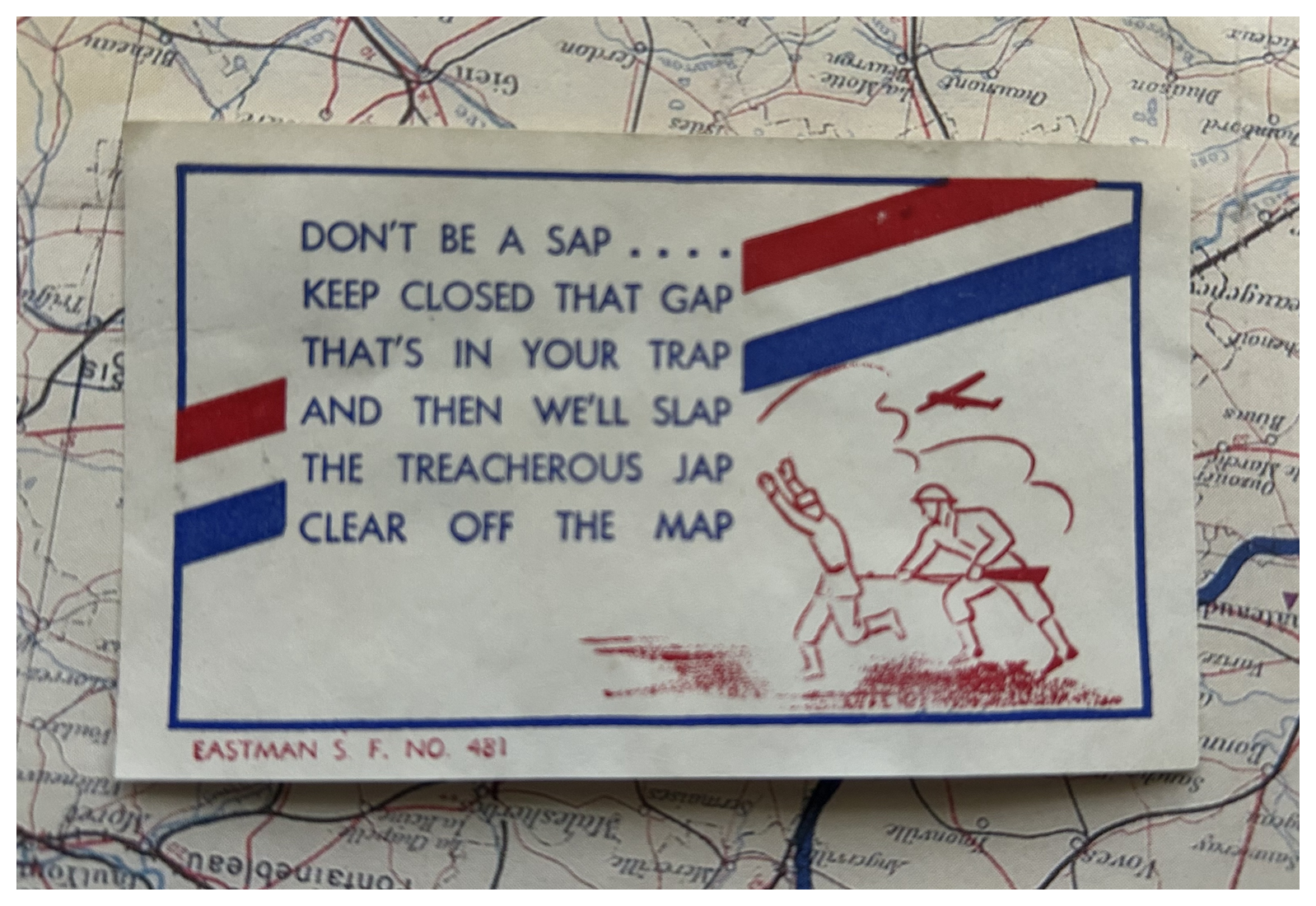
A neat and simple little item dating from 1941/42, early in the Pacific War. This is what’s known as a Cinderella. To quote Google “A Cinderella postal refers to Cinderella stamps, which are non-postal labels that resemble postage stamps but are not issued by a government postal authority for the purpose of carrying mail. Named after the neglected character in the fairy tale who was excluded from the ball, these labels served other purposes like advertising, promoting charities (such as Christmas seals), raising funds, or for private local posts. They are not valid for legitimate postage but are collected and studied by philatelists for their diverse themes and historical significance.
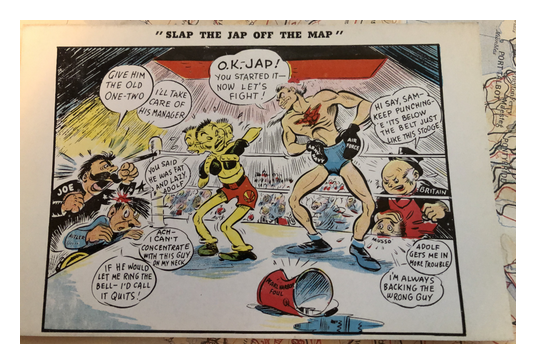
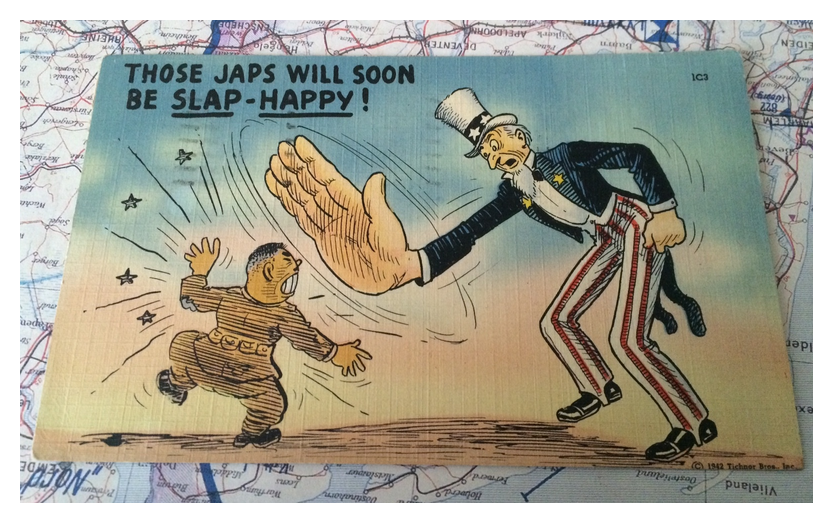
Immediately after the attack on Pearl Harbour, American capitalism and racist jingoism met and fell in love. Their offspring was a flood of dime-store tat that was fed to the public in an ultimately successful attempt to stir feeling enough that they were prepared to spend whatever it took to defeat the Empire of Japan. Here is an example from my collection of a postcard printed for that purpose.
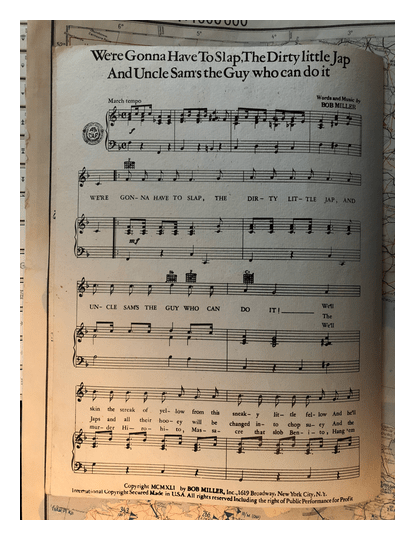
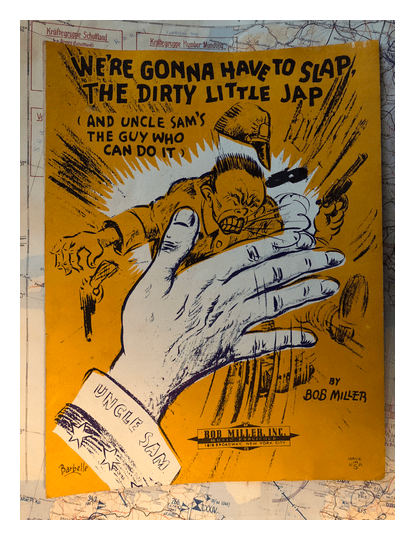
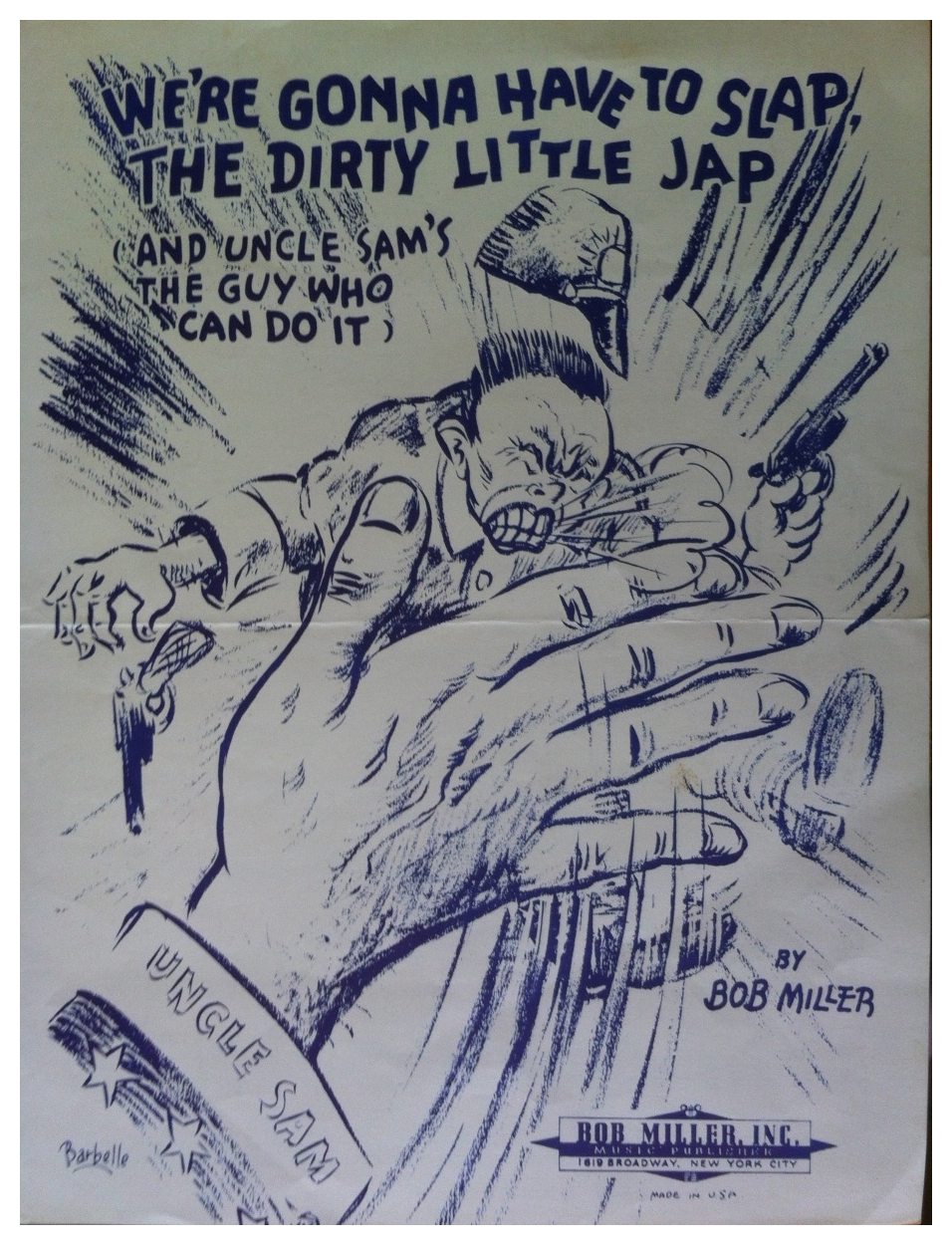
Here’s a second variation on the sheet music for that classic agi-prop song, “We’re gonna have to slap the Dirty Little Jap”. The other one I have is here, and the record is here. The lengths the US Government had to go to get the US people fired up for war were pretty extreme at times and resorted to gross caricature and racism in most cases.




 A couple of cool and evocative finds here from a contact in Thailand. These are Thai 1940 dated railway spikes from the ruined railway line that ran over 415 km from Thanbyuzayat in Burma to Ban Pong in Thailand. Many people know it only from it’s depiction in the movie “The Bridge on the River Kwai” where it crosses the Mae Klong river. I visited the site and Hellfire Pass in 2014 and I cannot believe the misery under which the slave laborers, both civilian and Allied POW, must have worked and died. A digger over there walked sections of the rail line that were never reused after the war and retrieved these spikes.


Visitors to this site will have noted, perhaps, my rather retro-racist love for WW2 anti-Japanese propaganda. A common theme to this kitsch is the invitation to “Slap Japs”. It was pretty widespread to use this kind of disparagement of the enemy to build morale on the homefront. This birthday card, dating from 1943, is an example of this theme. Other examples are here and here, oh and here and here.


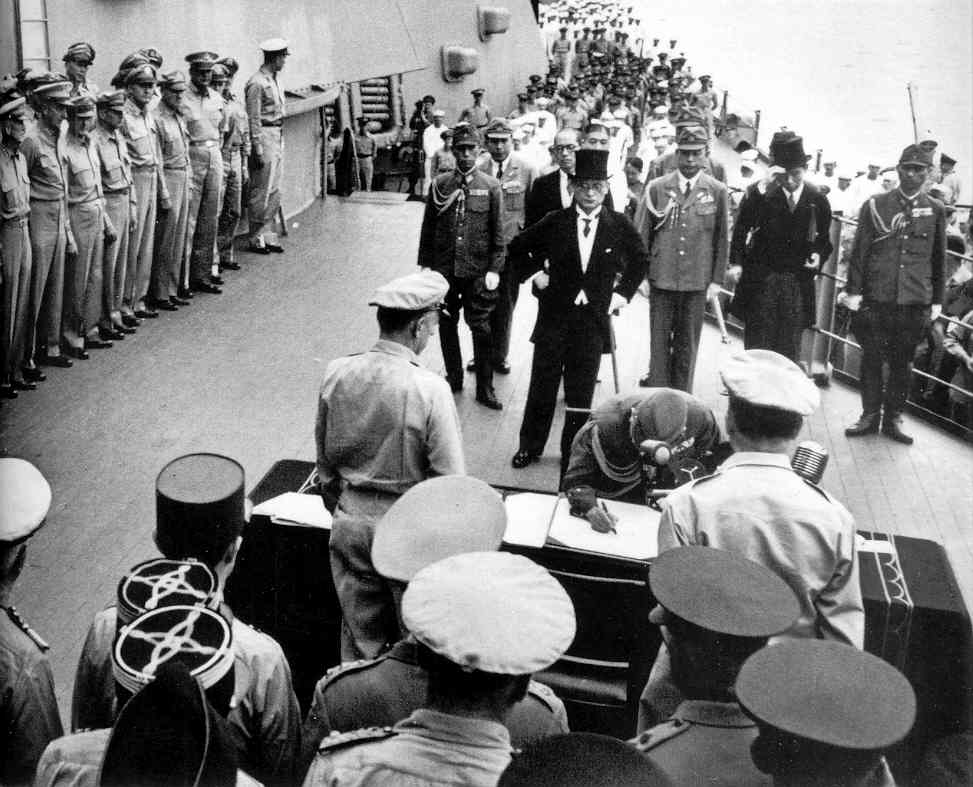
This booklet, dating from 1946, is a facsimile of the surrender documents signed on the USS Missouri, in Tokyo Bay, on the 2nd September 1945. These were produced by the National Archives in the US for distribution to institutions and individuals in education. I have the German ones here.


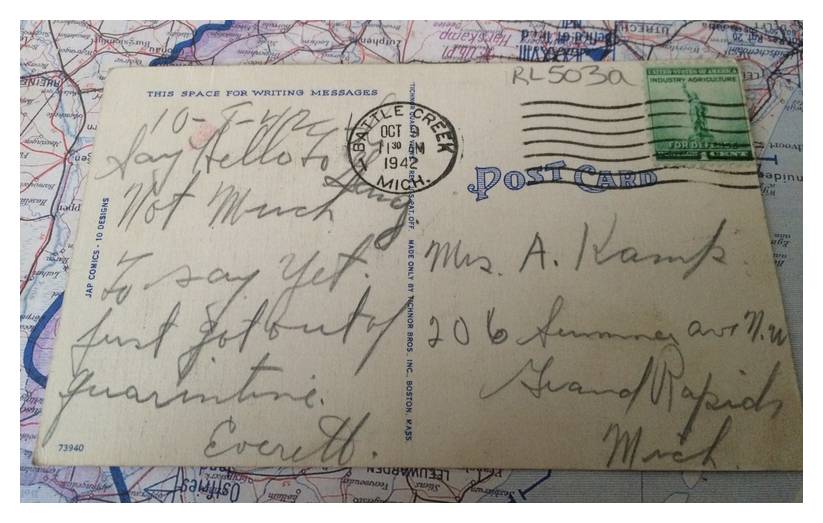
There’s a racist theme in early war propaganda coming out of the US. Fairly uniformly the Japanese were displayed as small, bucktoothed and simian-like. Certainly the phrase “Slap the Jap” was very common. Of course the US would have a very hard war in the Pacific that wasn’t really helped by their consistent underrating of the Japanese soldier. This postcard, franked in October 1942, is illustrative of the messaging used at this point in the war.
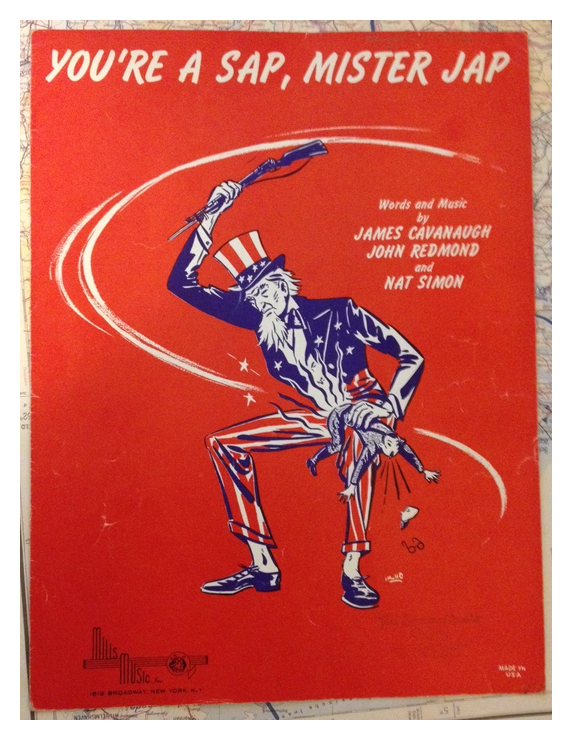
I never get sick of the overt racism inherent in the US response to the Japanese attack on Pearl Harbor. Here is the sheet music for the December 23rd 1941 hit by the Murphy Sisters, “You’re a Sap, Mister Jap”. On a side note the A-B-C-D that the song refers to is the joint alliance of America, Britain, China and the Dutch, most of whose naval assets were sent to the bottom of the South Java Sea by the Japanese in early 1942.
You’re a sap, Mr. Jap, you make a Yankee cranky
You’re a sap, Mr. Jap, Uncle Sammy’s gonna spanky
Wait and see before we’re done
The A, B, C and D will sink your rising sun*
You’re a sap, Mr. Jap, you don’t know Uncle Sammy
When he fights for his rights, you’ll take it on the lammy
For he’ll wipe the Axis right off the map
You’re a sap, sap sap, Mr. JapYou’re a sap, Mr. Jap, you make a Yankee cranky
You’re a sap, Mr. Jap, Uncle Sammy’s gonna spanky
Wait and see before we’re done
The A, B, C and D will sink your rising sun
You’re a sap, Mr. Jap, oh what a load to carry
Don’t you know, don’t you know, you’re committing hari-kari
For we’ll wipe the Axis right off the map
You’re a sap, sap, sap, Mr. JapYou’re a sap, Mr. Jap, oh it makes a Yankee cranky
You’re a sap, Mr. Jap, Uncle Sam’s gonna spanky
Wait to see before we’s done
The A, B, C and D will sink your rising sun
You’re a sap, Mr. Jap, oh you don’t know Uncle Sammy
When he fights for his rights, you’ll take it on the lammy
For he’ll wipe the Axis right off the map
You’re a sap, sap sap, Mr. JapYou’re a sap, Mr. Jap, oh what a load to carry
You’re a sap, Mr. Jap, you’re committing hari-kari
For we’ll wipe the Axis right off the map
You’re a sap, sap sap, Mr. Jap

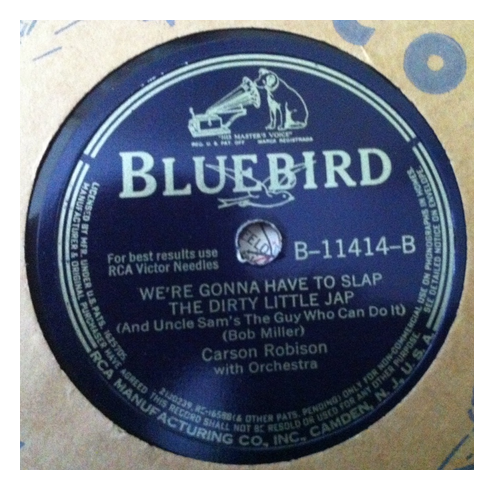
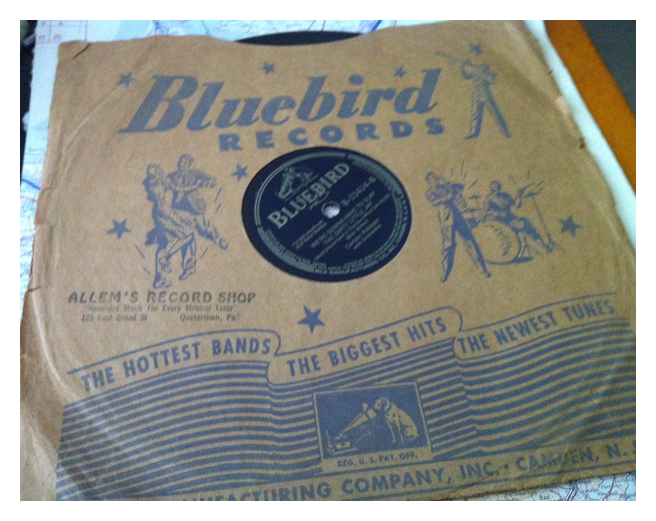
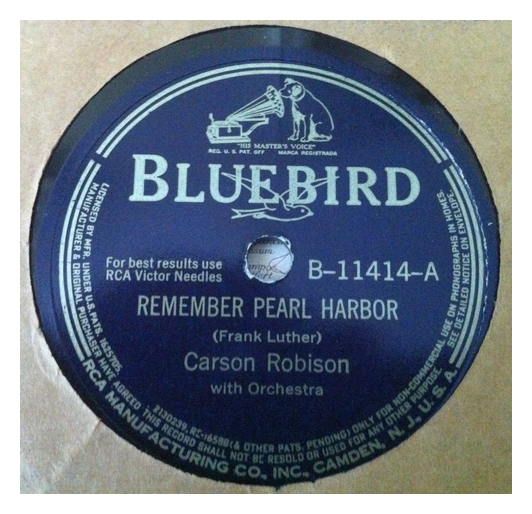
This 78 RPM record is an example of the US groundswell of anti-Japanese propaganda that appeared directly after Pearl Harbour in 1941. This record has two songs by Carson Robison, on side A “We’re Gonna Have To Slap The Dirty Little Jap” and on the b-side “Remember Pearl Harbour”. I have the sheet music for the first song here.
In late 1941, the American Legion, in Jonesboro, Arkansas, formed the “Slap-A-Jap Club”. The public was encouraged to join by purchasing one 25c Defense Stamp per week for the duration of the war. This card below is the membership card for that club.

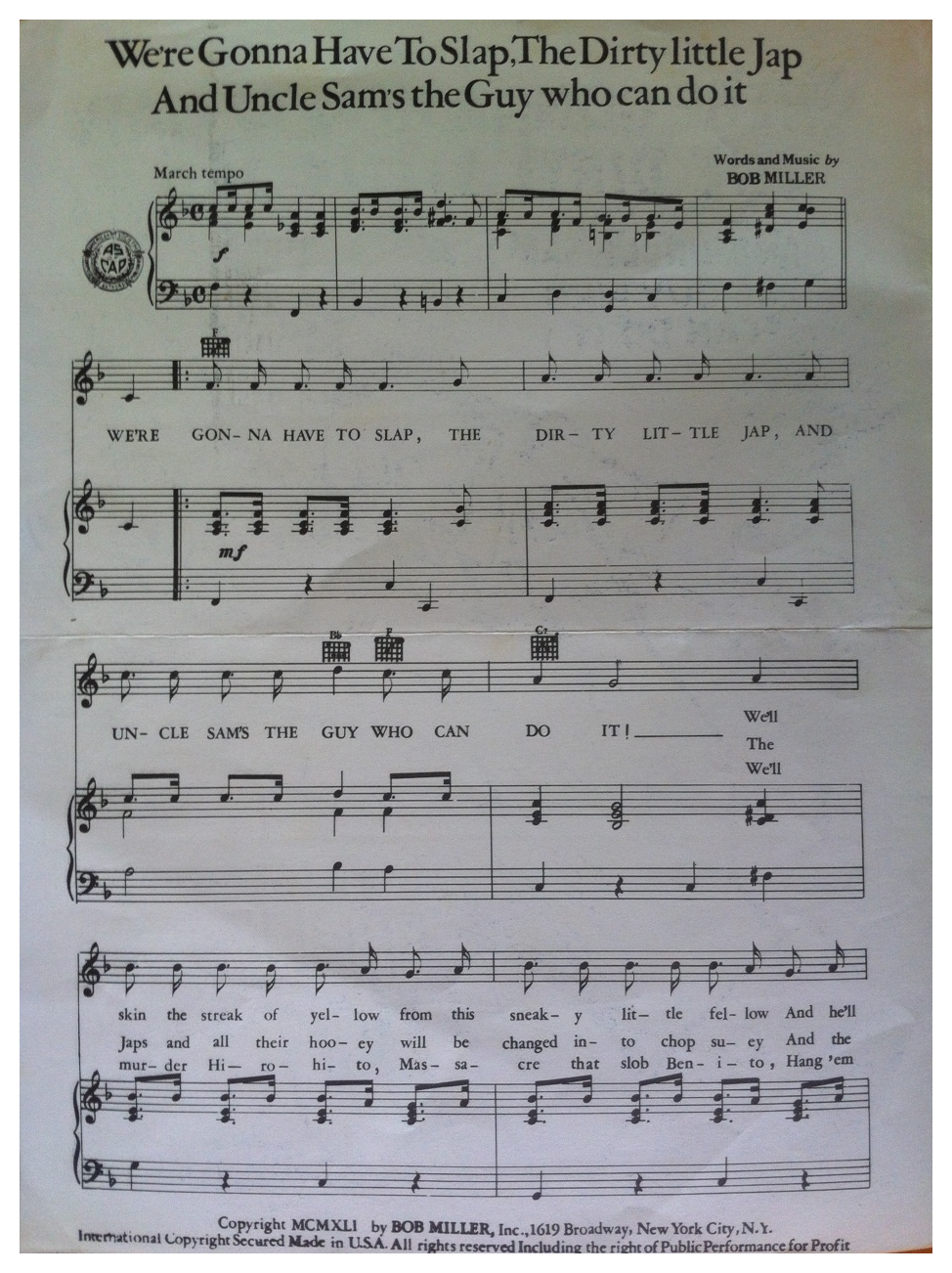
This is the sheet music for a wonderful little ditty named “We’re Gonna Have to Slap, The Dirty Little Jap, And Uncle Sam’s the Guy Who Can Do It“. It was written by Bob Miller and performed in December 1941 by Carlson Robison. I have the record here somewhere also.
Here are the words by the way…
We’re gonna have to slap the dirty little Jap
And Uncle Sam’s the guy who can do it
We’ll skin the streak of yellow from this sneaky little fellow
And he’ll think a cyclone hit him when he’s thru it
We’ll take the double crosser to the old woodshed
We’ll start on his bottom and go to his head
When we get thru with him he’ll wish that he was dead
We gotta slap the dirty little Jap
We’re gonna have to slap the dirty little Jap
And Uncle Sam’s the guy who can do it
The Japs and all their hooey will be changed into chop suey
And the rising sun will set when we get thru it
Their alibi for fighting is to save their face
For ancestors waiting in celestial space
We’ll kick their precious face down to the other place
We gotta slap the dirty little Jap
We’re gonna have to slap the dirty little Jap
And Uncle Sam’s the guy who can do it
We’ll murder Hirohito, massacre that slob Benito
Hang’em with that Shickle gruber when we’re thru it
We’ll search the highest mountain for the tallest tree
To build us a hanging post for the evil three
We’ll call in all our neighbors, let’em know their free
We gotta slap the dirty little Jap

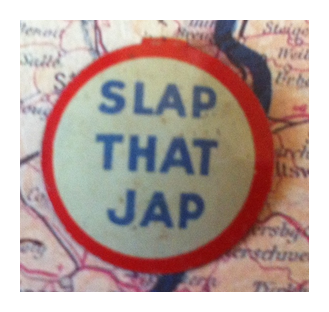
This is another U.S. propaganda item made right after Pearl Harbor. The words “Slap That Jap” may be a reference to a popular song of the time (I have the sheet music elsewhere on this site, yes it’s terrible).

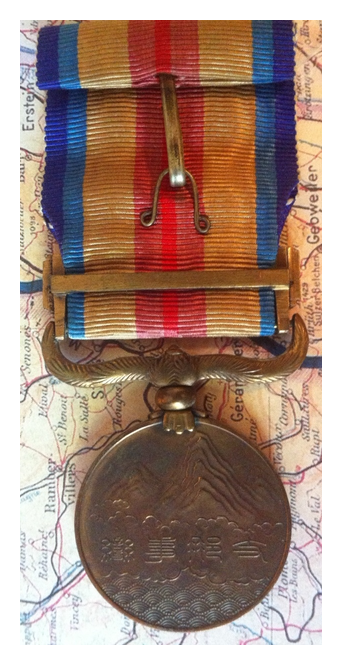
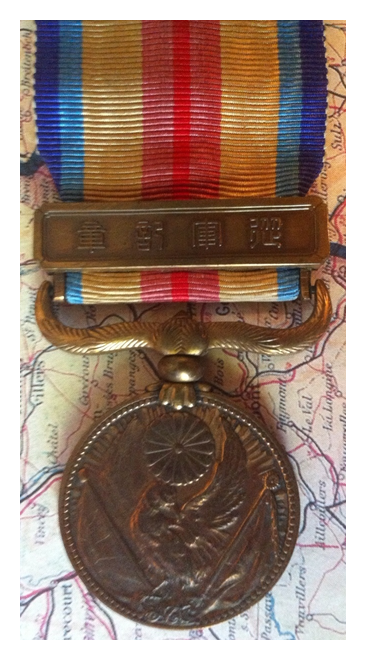
This medal was awarded from 1937-1945 to those Japanese forces who were part of the so-called 2nd Sino-Japanese War. The companion medal is listed here 1931-1934 China Incident Campaign Medal
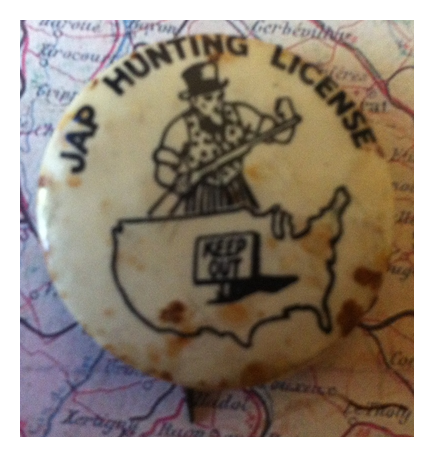
The attack on Pearl Harbor in 1941 unleashed a vicious and visceral anti-Japanese racism. Badges like this were common and played to the “Ugly American”. Later on in the Pacific War it was the memory of this kind of nod to otherness that led to the ear collectors of Saipan.
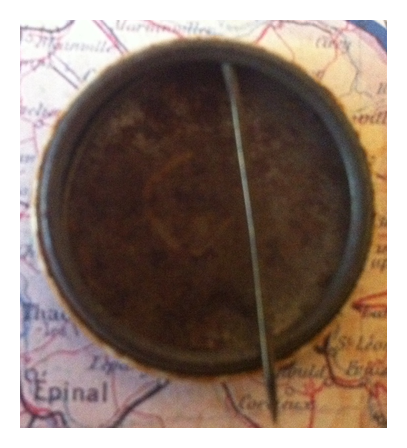
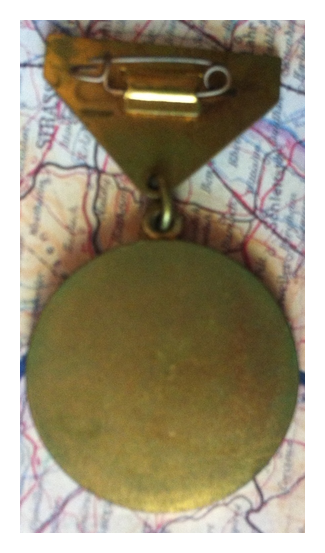
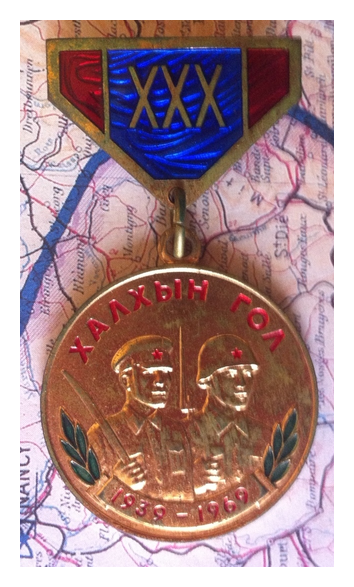
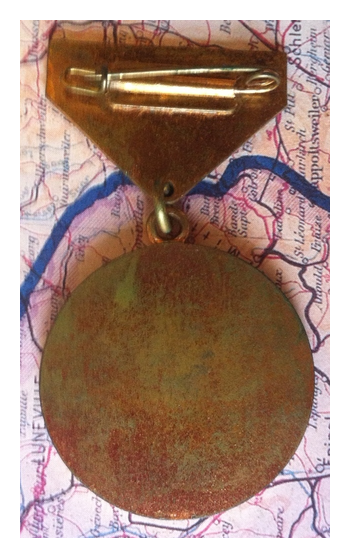
 This is the Mongolian commemorative medal issued in 1979 on the 40th anniversary of victory over Japan at Khalkhin Gol.

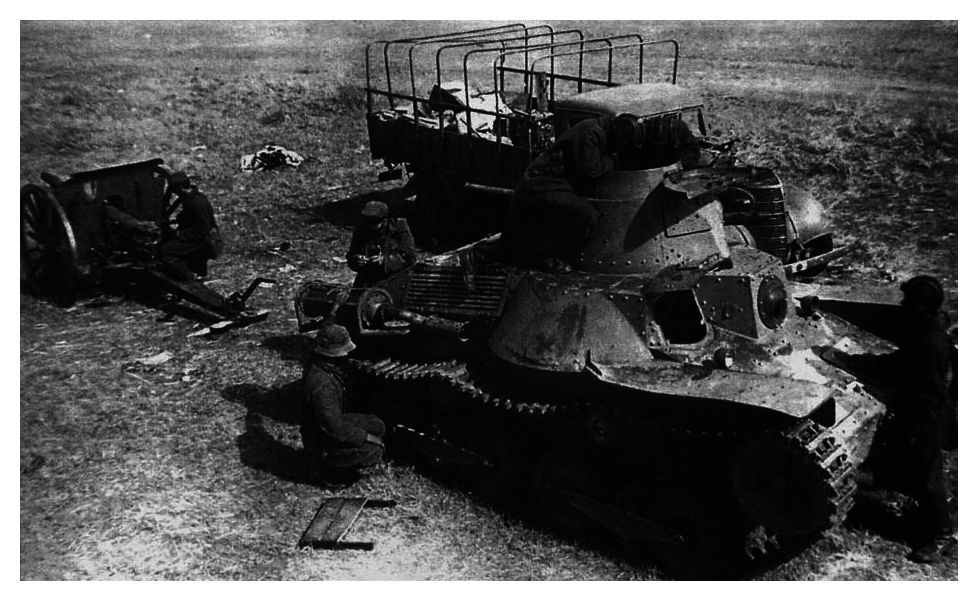
Soviet troops examine a disabled Japanese Ha-Go tank in the aftermath if the Battle of Khalin Gol, November 1939.
This is the Mongolian commemorative badge issued in 1979 on the 40th anniversary of victory over Japan at Khalkhin Gol.
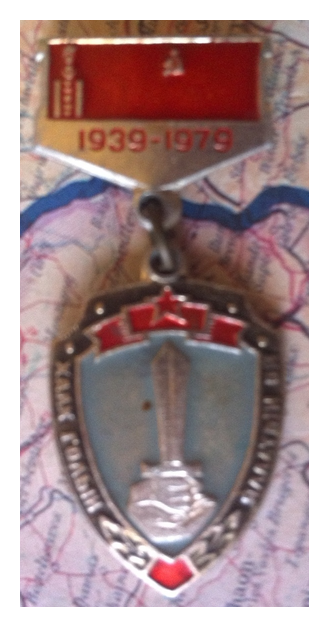
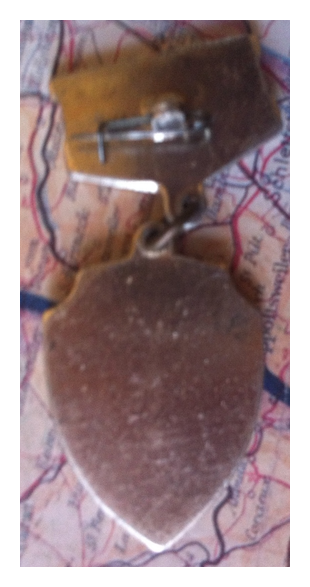
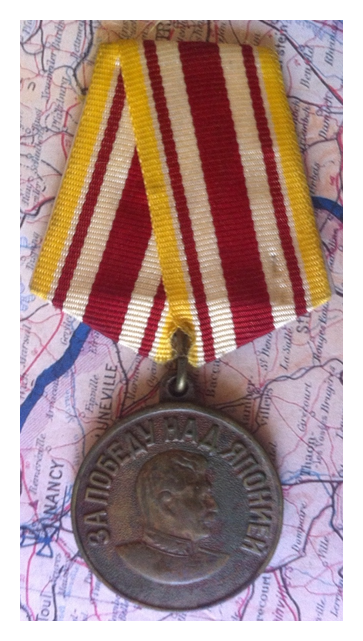
 The Soviet Union came in late in the war on Japan. Having frightened them off in 1939 in their drubbing of the Japanese 6th Army in Mongolia, the Soviets waited until August 9th 1945 before rolling into Northern Mongolia, Korea and the Kurile Islands. This medal was awarded to troops involved in that campaign.

The Battles of Khalkhyn Gol (Mongolian: Халхын голын байлдаан; Russian: бои на реке Халхин-Гол; Chinese: 诺门坎事件; pinyin: Nuò mén kǎn shìjiàn) was the decisive engagement of the undeclared Soviet–Japanese border conflicts fought among the Soviet Union, Mongolia and the Empire of Japan in 1939. The conflict was named after the river Khalkhyn Gol, which passes through the battlefield. In Japan, the decisive battle of the conflict is known as the Nomonhan Incident (ノモンハン事件 Nomonhan jiken) after a nearby village on the border between Mongolia and Manchuria. The battles resulted in total defeat for the Japanese Sixth Army.
This medal marks the 30th anniversary of the battle.
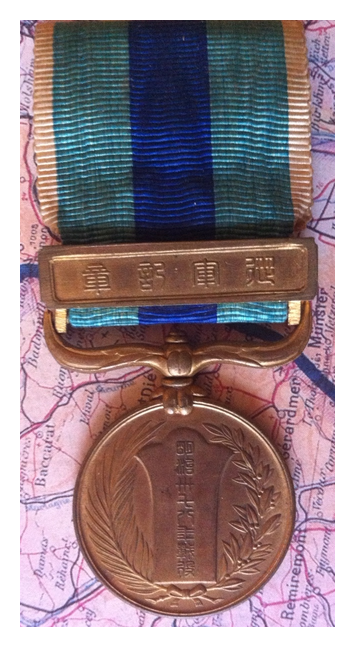
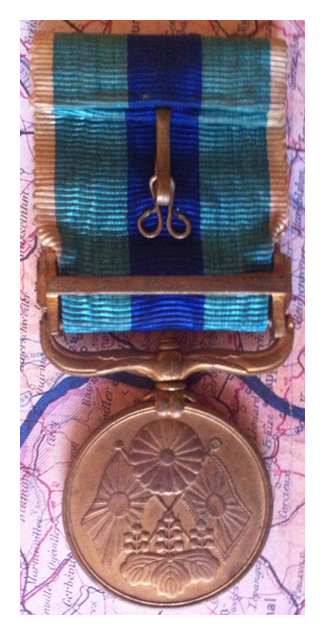
A unique jugun kiso was ordered on March 31, 1906 by Imperial Edict No. 51[3] in recognition of those who served in the war which occurred during the 37th and 38th years of the Meiji period — Meiji 37-38 (1904–1905). This is more commonly known as the Russo-Japanese War Medal.
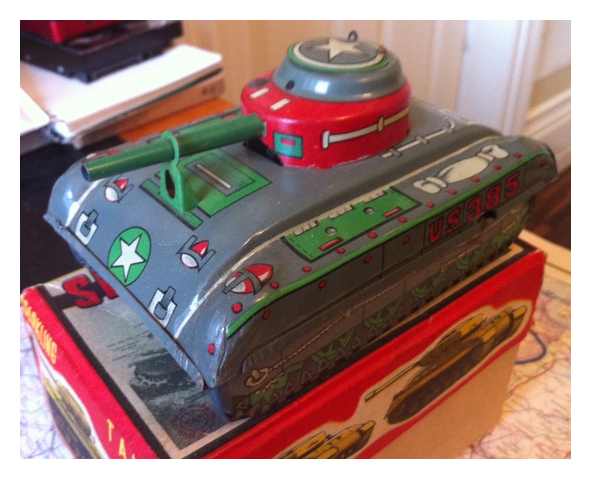
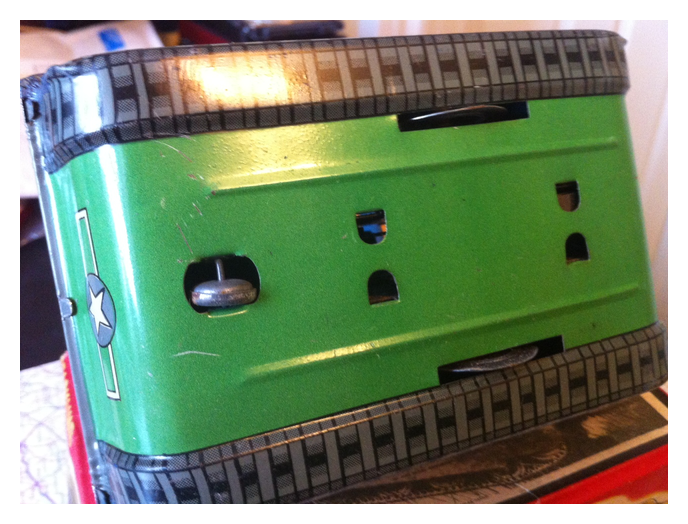
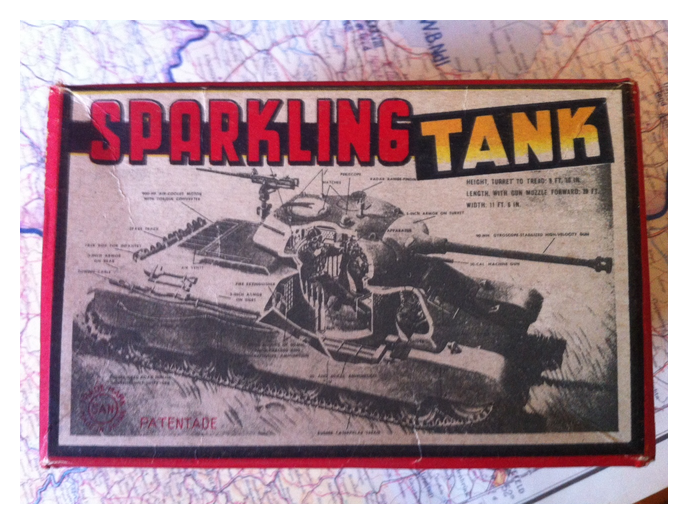
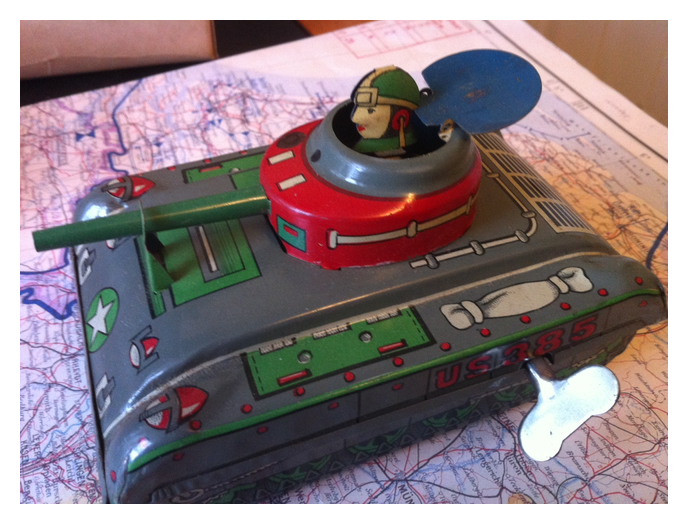
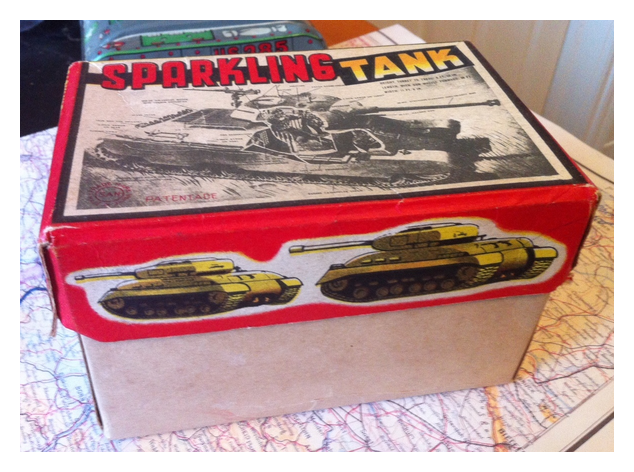
This tank is marketed as a “Sparkling Tank” although I can’t work out what that would refer to. It is clockwork and the mechanism still works although it’s a bit sluggish. As the tank moves along the commanders head pops up and down through the turret hatch. Cheesey.

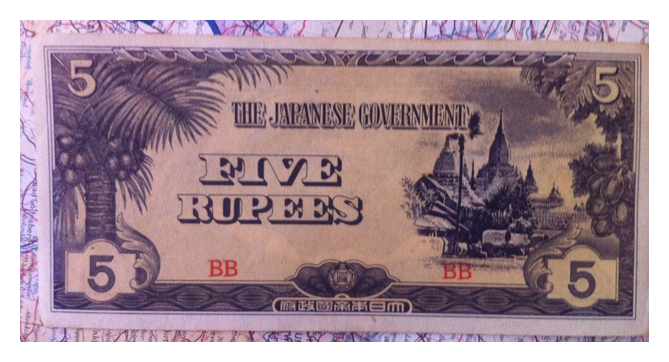
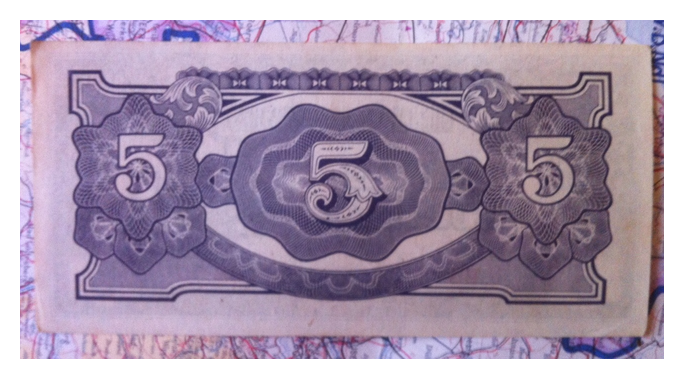
Japan, in an attempt to control black market activity as well as prices in the conquered territories in S.E.Asia, produced Occupation Script in various denominations and currencies. This is one of the notes produced for Burma. There was also a one and ten rupee note.
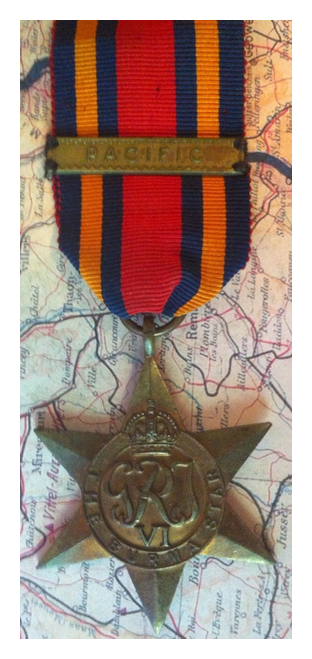
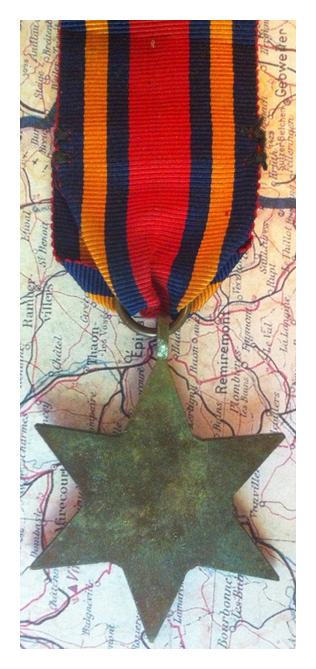
The Burma Star was a campaign medal of the British Commonwealth, awarded for service in World War II.
The medal was awarded for service in the Burma Campaign between 11 December 1941 and 2 September 1945. This medal was also awarded for certain specified service in China, Hong Kong, Malaya and Sumatra:
British uniform regulations stipulated that the Pacific Star would not be awarded to a prior recipient of the Burma Star. Subsequent entitlement to the Pacific Star was denoted by the award of the Pacific clasp.
 Kiwi Medals